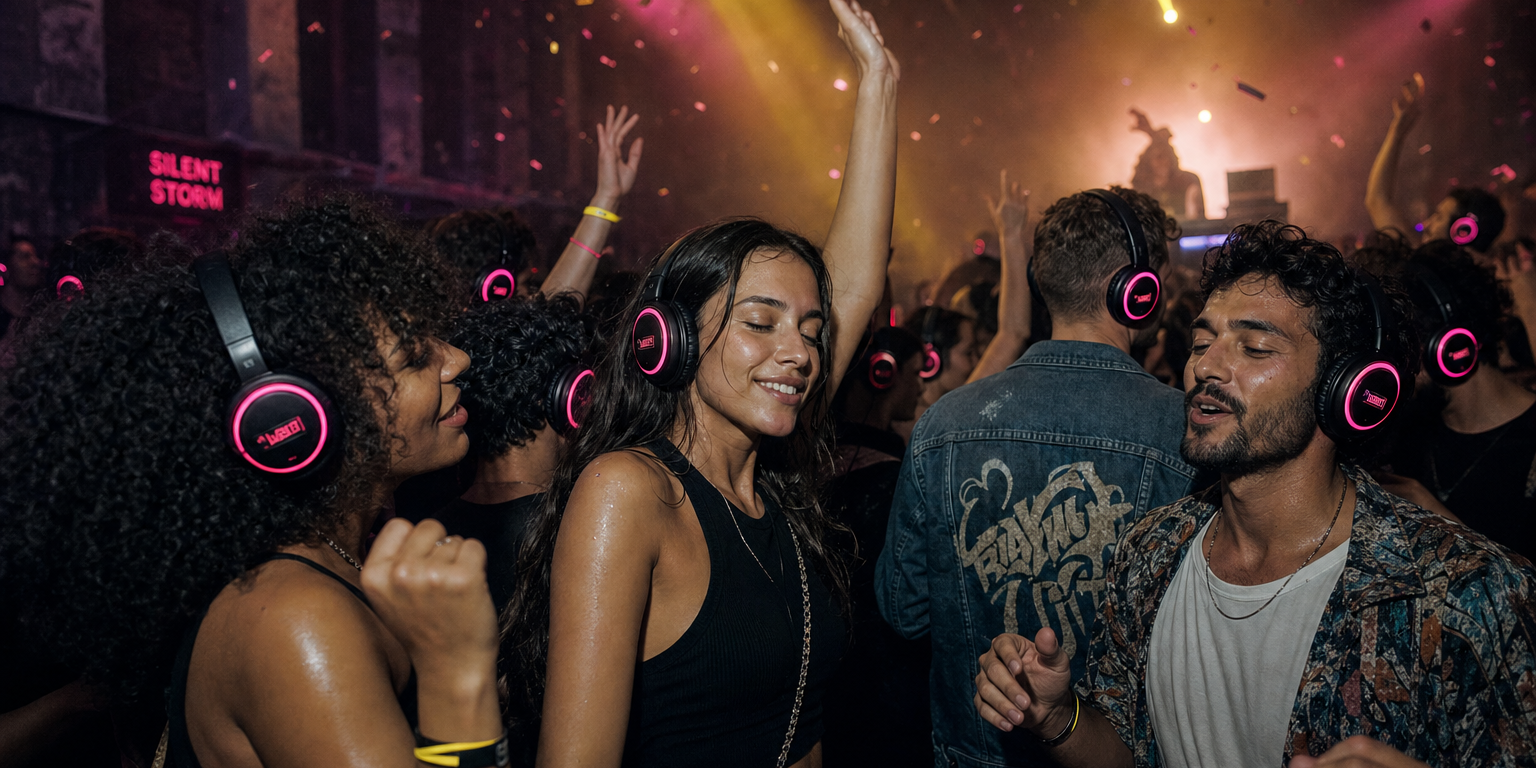
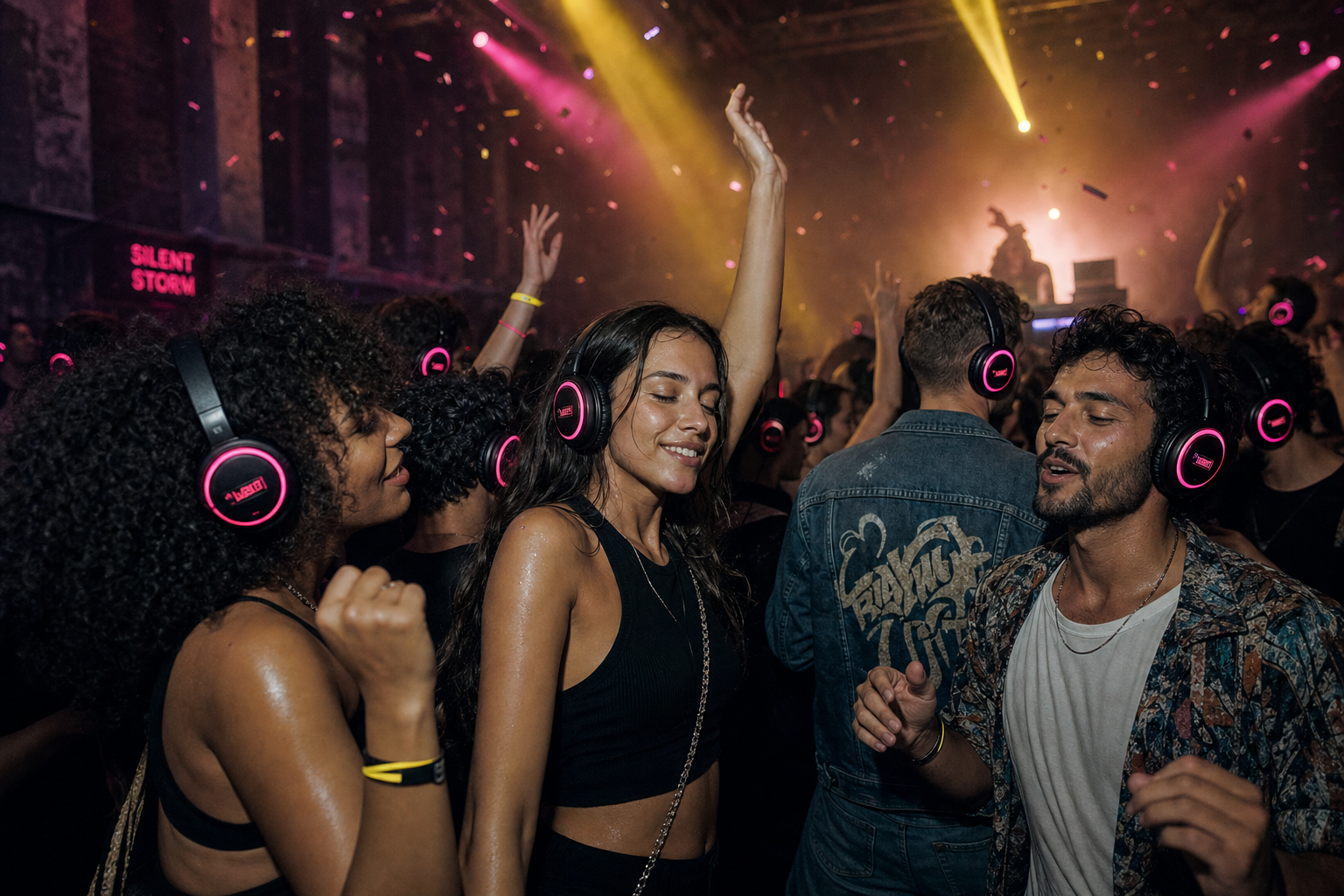
A silent rave is a dance event built around electronic music — EDM, techno, house, drum and bass, dubstep and garage — where attendees listen through wireless headphones rather than a traditional PA system. There are no loudspeakers filling the room. All the sound is delivered directly into the headphones, keeping the event virtually silent to anyone outside it.
It’s a format that has genuinely transformed where and how dance events can take place. Festivals, outdoor venues, city-centre clubs and residential event spaces can all host a silent rave without disturbing the surrounding area — making late-night events possible in locations where a conventional sound system simply wouldn’t be permitted.
Having supplied silent disco equipment across the UK for many years, we’ve watched this concept move from a novelty into a genuinely exciting alternative to traditional raves. One thing that consistently surprises new attendees is just how immersive modern headphones have become.
In this guide, we’ll cover how silent raves work, how they compare to traditional raves, the key benefits and limitations, a brief history of the format, and practical advice for both organisers and attendees.
Quick answer: what is a silent rave?
A silent rave is a dance event focused on DJ-led electronic music where attendees listen through wireless headphones rather than a shared speaker system. In practice, it works like this:
- Attendees receive wireless headphones on arrival, which connect to one or more live DJ channels being broadcast at the event
- Multiple DJs can perform simultaneously, each on a dedicated channel
- Guests switch between channels at any time using a button on the headphones, choosing whichever DJ or genre they prefer
- No loudspeaker system is used, so the event produces very little external noise
The format is essentially a silent disco with a specific focus on electronic dance music. Where a silent disco might include pop, RnB or chart music, a silent rave centres on DJ-led sets and the genres you’d typically hear at a club night or festival stage. The headphone rave experience uses the same underlying technology, applied to a more focused dance music context.
How silent raves work: headphones, channels and live DJs
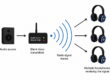
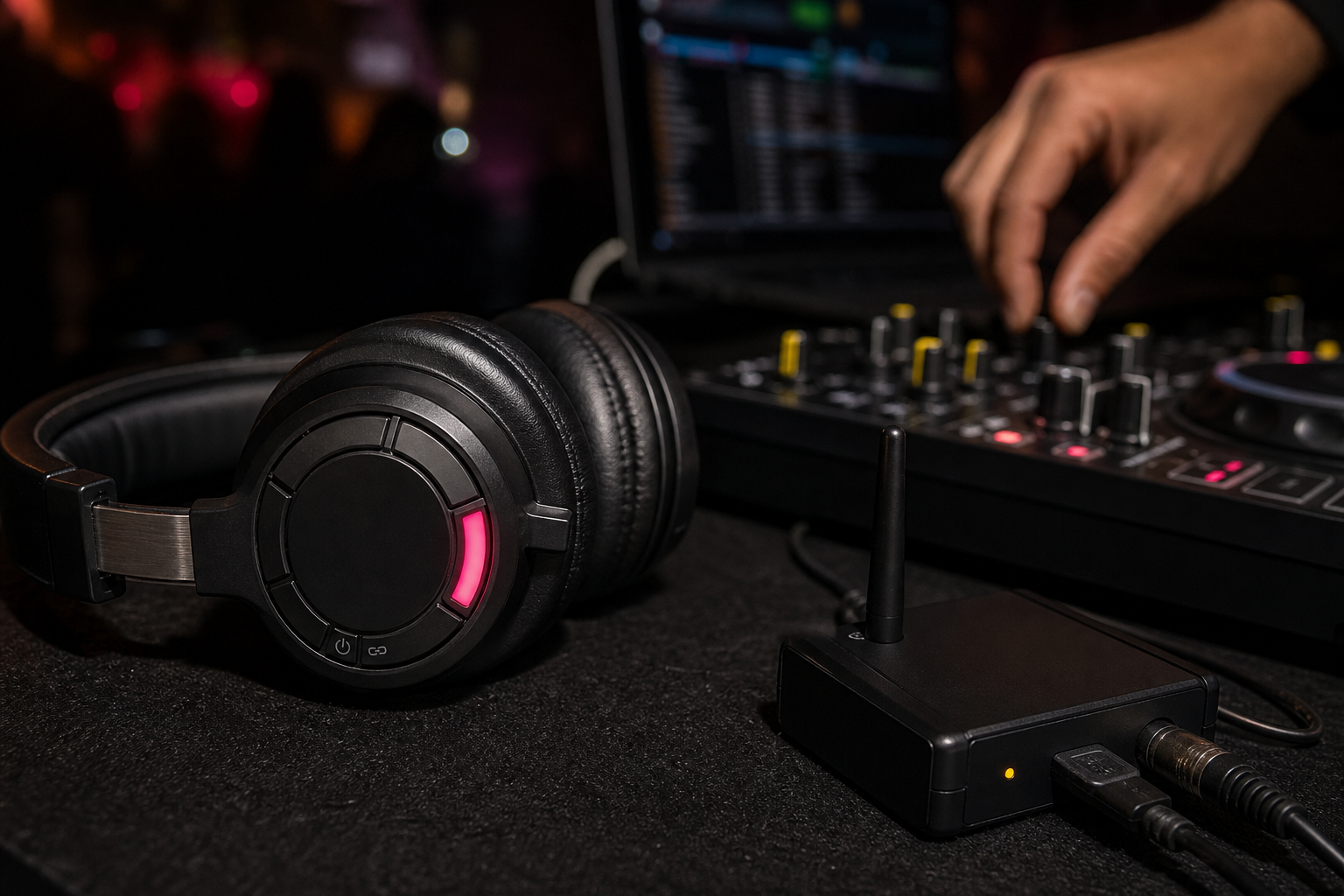
The core setup is straightforward. Each attendee receives a pair of professional wireless headphones on arrival. These connect to one or more transmitters positioned around the venue, each broadcasting a separate DJ’s live mix. Guests choose which DJ to listen to and can switch between channels instantly — usually indicated by a colour-coded LED light, so you can see at a glance what everyone around you is listening to.
The signal flow looks something like this:
- DJ A performs live and their mix is sent to Channel 1 (e.g. green)
- DJ B performs simultaneously and broadcasts on Channel 2 (e.g. red)
- DJ C runs a third set on Channel 3 (e.g. blue)
- Attendees wear headphones and press a button to move between channels freely
One of our favourite ways to run a silent rave is with three DJs performing at the same time, each covering a different genre — techno on one channel, drum and bass on another, house or UK garage on the third. Rather than a single DJ trying to please the whole crowd, guests simply switch to whatever suits their mood. It keeps energy high and means nobody is stuck with music they don’t enjoy.
Each DJ monitors their mix through studio headphones or in-ear monitors, with their output routed directly to the wireless transmitter for their channel. Modern professional silent rave headphones produce far richer sound than most people expect, with impressive bass response delivered directly into the ear.
Logistics: what organisers need to manage
A well-run silent rave requires some practical groundwork. Headphones need to be fully charged before the event, with spare units available for batteries that run low during longer sets. Sanitising headphones between uses is standard practice, particularly at multi-day festivals. Distribution and collection points need to be clearly managed so headphones don’t walk out of the venue.
For events that require silent disco DJ hire alongside equipment, having DJs who are experienced with the format makes a real difference — they understand how to read a silent crowd and build energy without the visual cues a traditional loud room provides.
Silent rave vs traditional rave: how they compare
The differences go beyond simply swapping speakers for headphones. The two formats offer genuinely different experiences, each with clear strengths and trade-offs.
Sound delivery
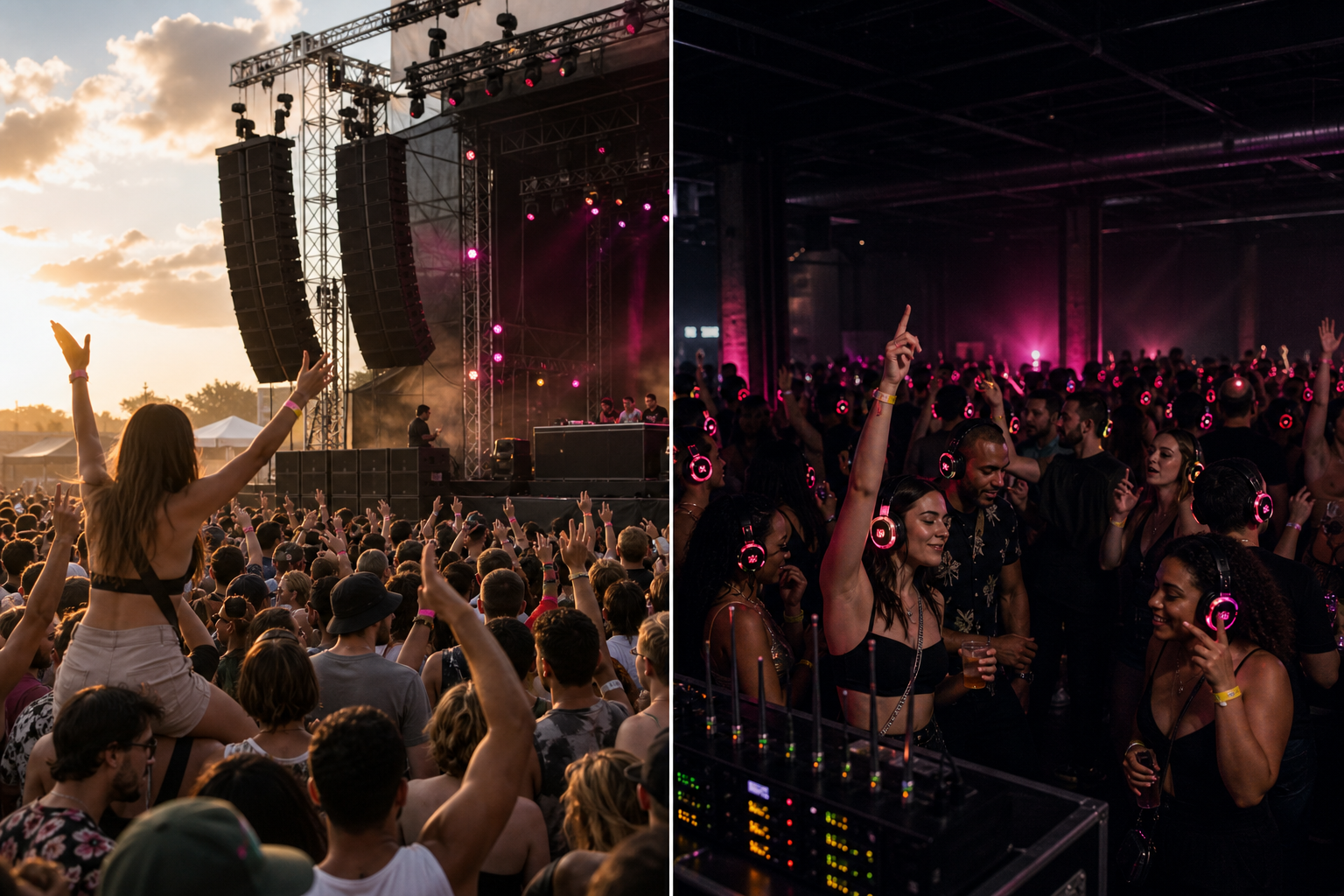
A traditional rave uses a large PA system — often including powerful subwoofers — to fill the space with sound. Everyone hears the same mix at the same volume. At a silent rave, all audio is delivered through wireless headphones, so the experience is personal and contained.
Atmosphere and social dynamics
Loud shared music creates a collective atmosphere that’s hard to replicate any other way. At a silent rave, the ambient environment is much quieter. You can hold a conversation at normal volume without stepping outside, and switching channels means your experience can differ entirely from the person standing next to you. That personalisation is a genuine advantage — but the room does lack the unified energy that a single loud sound system creates.
The bass question
Headphones reproduce low frequencies well, but they cannot recreate the physical sensation of standing in front of a large subwoofer array. That full-body feeling is something headphones, however good, simply can’t replicate. We’ll return to this in more detail below.
Logistics and compliance
Traditional raves require sound licences, noise management plans and strict curfews. A silent rave sidesteps most of these concerns. Setup is generally simpler, teardown is faster, and the event is far less likely to generate complaints from neighbouring properties.
Benefits of silent raves — why organisers and guests love them
Events can run later without noise complaints
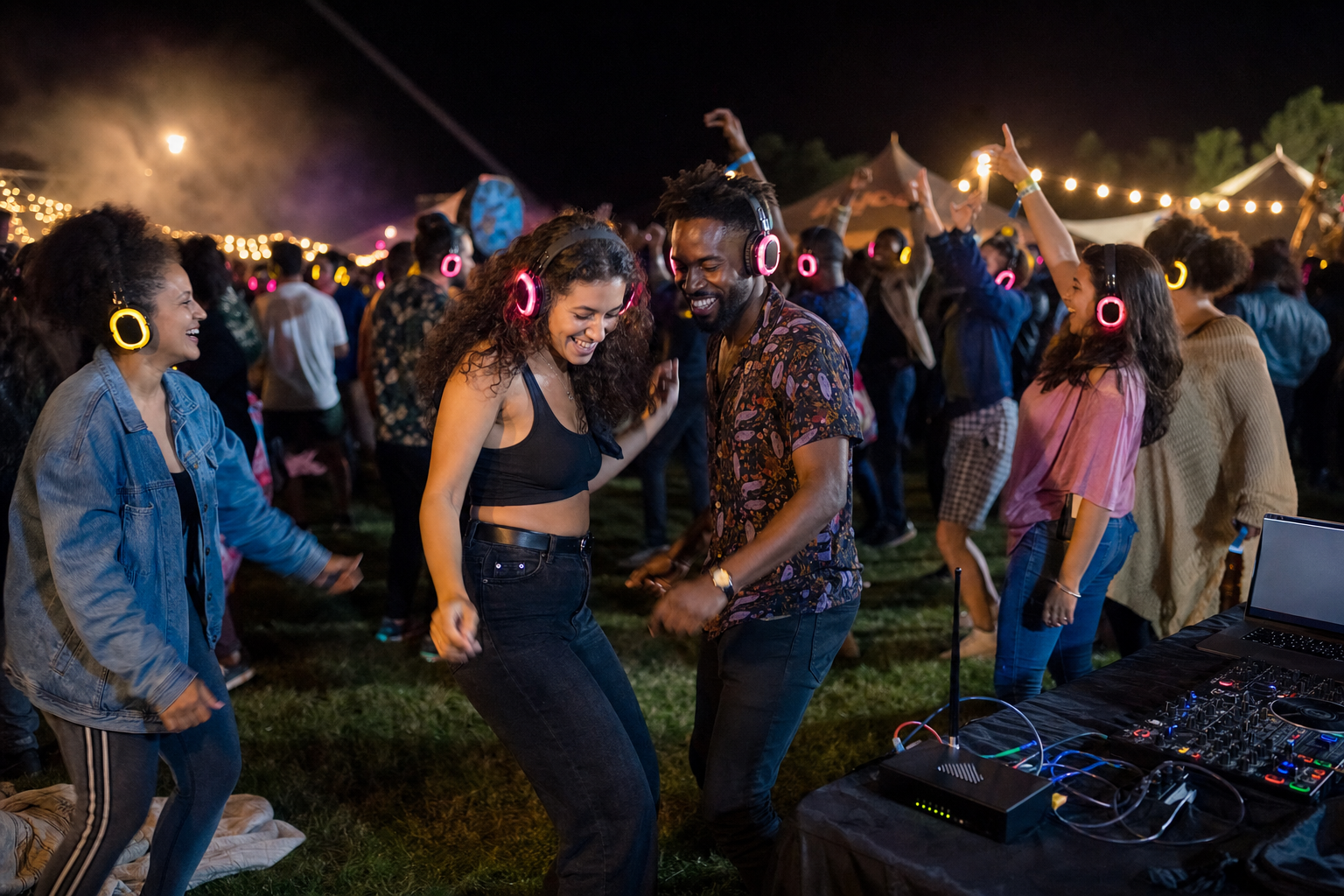
Because sound stays inside the headphones, silent raves generate very little external noise. Events can continue deep into the early hours without disturbing nearby residents — a significant advantage at campsites, city-centre venues and residential event spaces where a traditional sound system would have been shut down hours earlier.
Greater venue flexibility
The absence of a loud PA opens up locations that would otherwise be off-limits. Silent raves have taken place in urban rooftop spaces, public parks, historic buildings, beachside venues and festival campsites — settings where noise restrictions would make a conventional rave impossible.
A personalised listening experience
With multiple DJ channels available, guests are never stuck listening to something they don’t enjoy. One person might spend the night on the techno channel while the person next to them switches between drum and bass and house. That level of choice keeps guest satisfaction consistently high.
Easy, pressure-free breaks
Removing the headphones provides instant quiet. There’s no need to fight through a crowd to reach a quieter area or shout over music to have a conversation. Guests can step away and step back in whenever they like, without losing their place on the dance floor.
From our experience running events across the UK, the biggest reason people love silent raves isn’t simply the lack of noise — it’s the freedom they provide: extended hours, personalised music and easy breaks without ever having to leave the room. If you’re considering running one, feel free to contact us to discuss what’s possible for your venue or event.
Limitations: the bass problem and why subwoofers aren’t a simple fix
The clearest limitation of any silent rave is the absence of physical bass. When a large subwoofer array fires at a festival, you don’t just hear the low end — you feel it in your chest, your feet and the air around you. That sensation is a fundamental part of the electronic music experience for many people, and headphones cannot replicate it. They deliver impressive low-frequency audio directly into the ear, but air-moving bass is a physical phenomenon that requires speakers and space to exist.
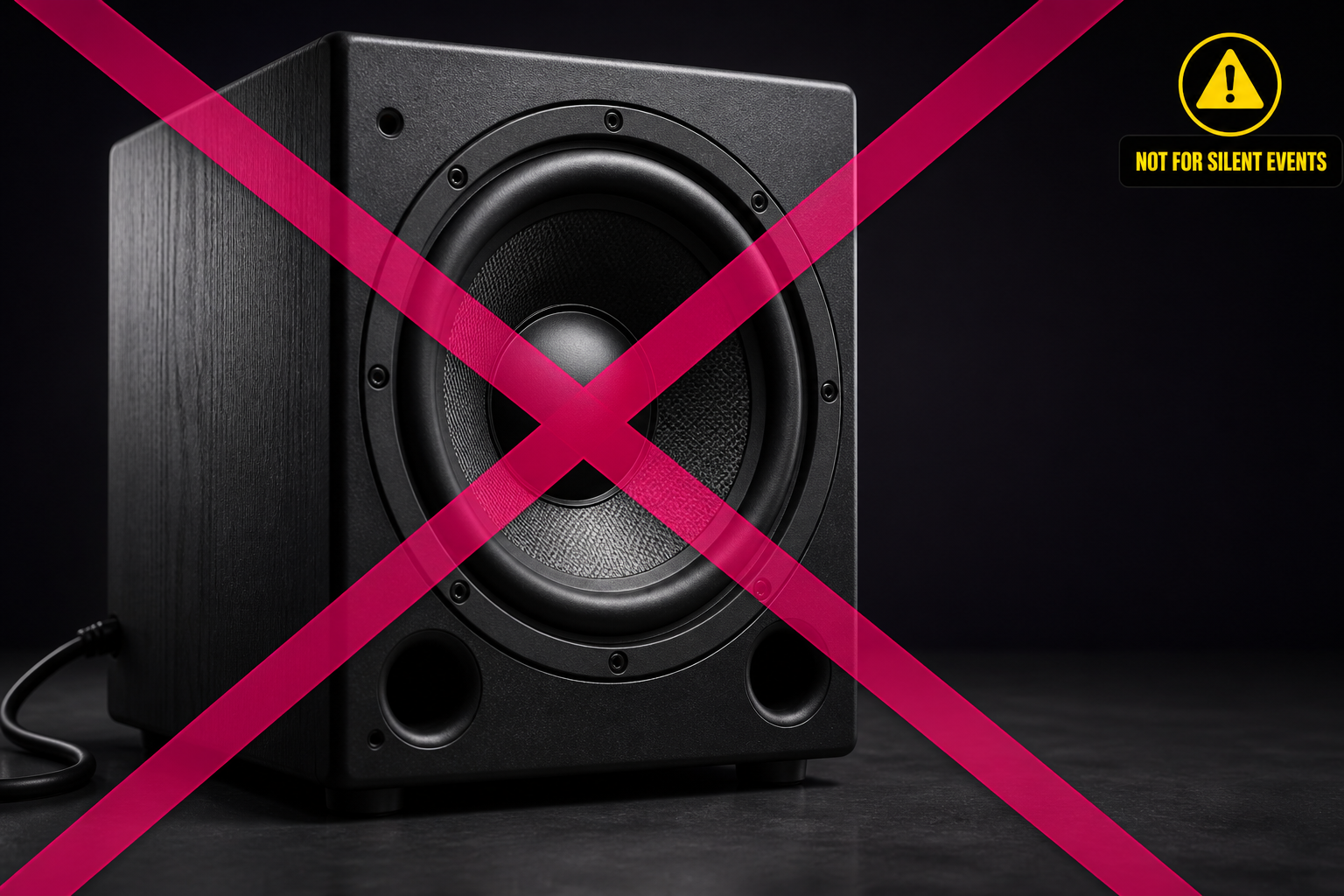
The obvious question from organisers is: why not add a subwoofer or two alongside the headphones? The problem is that low frequencies are precisely what travels furthest from an event site. Mid and high frequencies attenuate relatively quickly over distance; bass carries through walls, across open ground and into neighbouring properties far more easily — which is why neighbours almost always report bass as the nuisance, not treble. Adding live subwoofers to a silent event effectively recreates the noise problem the headphone format was designed to avoid.
A venue facing a 10pm sound curfew gains little from a setup where the music is silent but the bass is audible from the car park.
This is the most significant trade-off for purists who want the full physical impact of dance music. For many events and venues, it’s absolutely worth it — extended hours, noise compliance and venue flexibility are compelling advantages. But organisers should go in with clear expectations: a silent rave delivers an excellent, immersive listening experience; it doesn’t replicate the full-body sensation of standing in front of a festival rig.
Emerging tech: haptic floors and recreating the bass feeling
One of the more exciting developments in this space is vibration technology designed to recreate the physical sensation of bass without external noise. Vibration-enabled dance floors and haptic platforms transmit low-frequency vibrations directly through the floor surface, so dancers feel the bass underfoot rather than hearing it through speakers. Wearable haptic systems — vests, wristbands and similar devices — take a similar approach, delivering vibration feedback synced to the music.
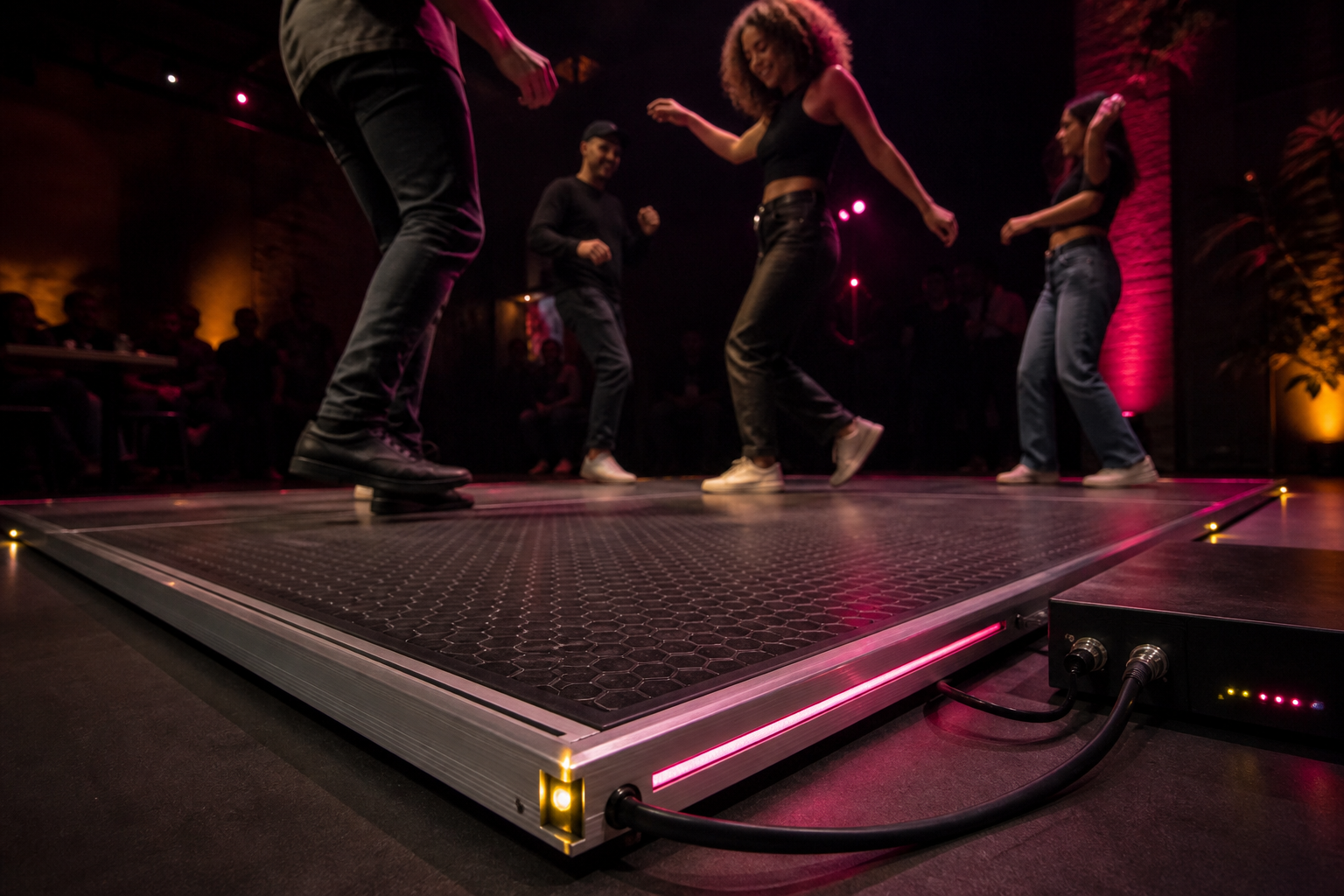
The technology uses principles similar to those found in home theatre tactile transducers and simulation environments. Combined with quality headphones, it has genuine potential to make silent raves significantly more immersive. If haptic floors become widely adopted, they could close much of the sensory gap between a silent rave and a traditional festival.
For now, cost and availability remain practical barriers. Haptic dance floor installations are still a niche hire product rather than standard equipment, and adding them brings meaningful additional expense. But the direction of travel is clear, and it’s a development worth watching closely.
A short history of silent raves and silent discos
The silent disco format emerged primarily as a practical response to noise curfews. Organisers facing strict sound restrictions at late-night events began experimenting with wireless headphones as a way to keep music playing after amplified sound was no longer permitted.
UK festivals played a significant role in bringing the format to a wider audience. Glastonbury was among the early high-profile adopters, introducing a silent disco to its late-night programming as a way to continue entertainment beyond curfew — the novelty of seeing hundreds of people dancing in apparent silence, and of removing your headphones to hear almost nothing, made it genuinely memorable and widely reported. Other festivals followed, and the concept spread rapidly through the UK circuit.
From that festival context, silent discos expanded into clubs, corporate events and private parties. What started as a practical workaround has become a fully accepted event format in its own right — with the silent rave representing its most musically focused expression.
Planning a silent rave: practical guide for organisers
Good silent rave planning comes down to logistics, channel strategy and communication — with your team, your venue and your local authority.
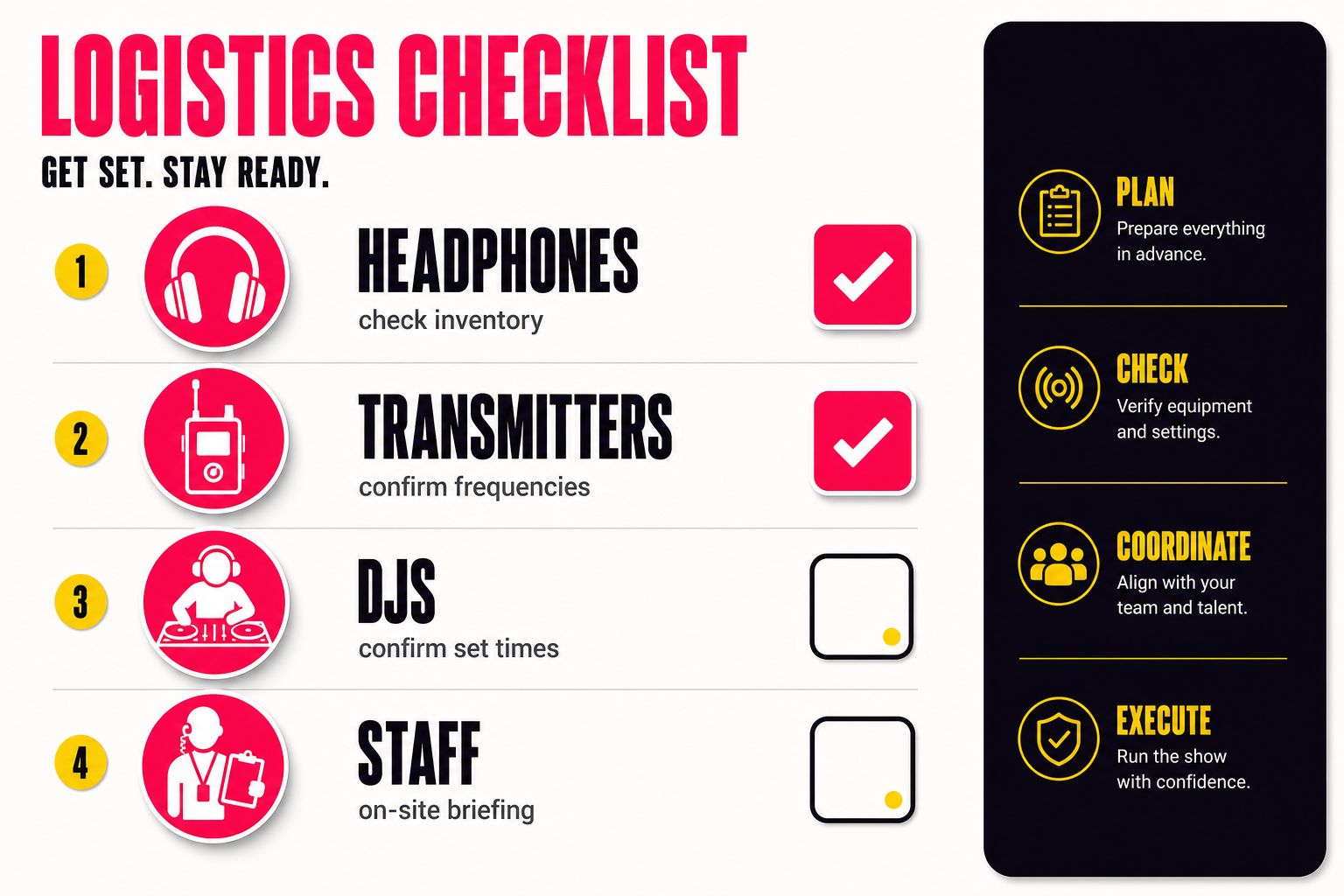
Headphones and equipment
- Calculate your expected attendance and add a 10–15% buffer for damaged, lost or uncharged units
- Ensure sufficient charging capacity so headphones are ready before doors open
- Have spare transmitter units available in case of technical issues
- Position transmitters centrally and test signal coverage across the full venue footprint before guests arrive
Channel planning and DJ selection
- Decide how many channels you’ll run — two or three works well for most events
- Assign dedicated genres to each channel (house, drum and bass, techno, for example) to give guests real choice
- Multi-channel setups with genre-specific DJs reduce crowd friction and keep energy levels consistent across the space
Hygiene, staffing and site layout
- Sanitise headphones before distribution and provide a clean returns process at the end of the night
- Assign dedicated headphone staff for distribution, collection and troubleshooting — the larger the event, the more people you’ll need at the desk
- Consider crowd flow around the headphone desk; queues at peak times can become a bottleneck
Regulatory considerations
Even without amplified sound, you may still need an entertainment licence or permission from your local authority, particularly for outdoor events. Notify relevant parties early — the absence of loudspeakers makes these conversations significantly easier.
If you’re looking to hire headphones and DJs for your event, we can tailor a package to your specific venue, headcount and channel requirements.
Tips for attendees: getting the most from a silent rave
First time at a silent rave? Here’s what to know before you arrive.
- Explore the channels — don’t stick to just one. Flicking between techno, drum and bass or garage on the fly is half the fun, and it’s what makes the experience feel genuinely personal
- Check your headphone battery — most hire units are fully charged at the start, but flag it to staff early in the night if your headphones start cutting out
- Don’t share headphones without sanitising them first — organisers should have wipes available at the desk
- Taking a break is easy — simply remove your headphones for instant quiet, no need to shout or battle through a crowd
- Avoid playing music through your phone speaker — it disrupts the experience for those around you and rather defeats the point
Common questions about silent raves
Are silent raves safe for hearing?
Generally, yes — because attendees control their own volume, and most professional hire headphones include a built-in volume limiter, silent raves tend to expose listeners to lower sound levels than a traditional event with a fixed PA system. That said, they’re not risk-free: listening at high volume for extended periods still carries some risk, so taking breaks remains good practice.
How loud are the headphones?
Most hire headphones have a volume limiter built in, which keeps peak output well below the levels produced by a festival stage. Listeners can still turn them up comfortably, but the cap helps prevent dangerously high exposure.
How many channels can I expect?
Most silent raves offer two or three channels, each playing a different genre or DJ simultaneously.
Can silent rave equipment be used outdoors in rain?
Most hire headphones are not waterproof, so outdoor events need contingency plans for wet weather. Check with your supplier before booking.
Have a question not covered here? Ask us and we’ll help you find the right answer for your event.
Is a silent rave right for your event?
Silent raves offer something genuinely useful: the full experience of a dance music event without the noise complaints, venue restrictions or neighbour disputes that come with traditional amplified sound. Add in personalised listening across multiple channels and the ability to host events in spaces that would otherwise be off-limits, and the appeal is clear.
The main trade-off remains the physical absence of bass — though haptic technology is steadily closing that gap. For most events, the benefits comfortably outweigh the limitations.
We supply silent disco equipment across the UK and are happy to advise on whether a silent rave suits your event, venue or budget. If you’re ready to explore your options, get in touch and we’ll help you put together the right package.