
Silent discos are often described as a more relaxed alternative to a traditional party or concert — but does that make them a good fit for autistic and neurodivergent people? The honest answer is: often yes, but not automatically. The format offers genuine advantages, particularly around individual control over volume and the ability to take an instant, private break from the music. At the same time, elements such as lighting, crowd density and the physical sensation of wearing headphones can still be overwhelming if an event hasn’t been thoughtfully planned.
This guide covers the key benefits and limitations of silent discos for people with sensory sensitivities, along with practical steps for making an event more inclusive. It’s aimed at event organisers, carers and anyone supporting an autistic or neurodivergent person who is considering attending or hosting one.
Can silent discos be suitable for autistic people?
For many autistic and neurodivergent people, yes — a silent disco can be considerably more manageable than a traditional event. The key advantage is individual control: each person can adjust their own headphone volume, choose between music channels or simply remove their headphones for instant quiet. That level of personal agency isn’t possible at a conventional party or concert, where everyone is exposed to the same sound at the same volume.
We regularly provide silent disco equipment for events involving autistic people and people with additional sensory needs, and the format consistently gives organisers more flexibility to create an experience that works for different attendees. That said, a silent disco is not automatically sensory-friendly. Whether the format works well depends largely on how thoughtfully the event has been designed.
Why traditional parties and concerts can be overwhelming
For many autistic and neurodivergent people, social events involving music present several overlapping sensory challenges. Understanding what those are helps explain why the format of an event matters as much as the event itself.
Volume with no individual control
At a traditional party or concert, music plays from speakers at a fixed level for everyone in the room. If the volume is too high for one person, there is no adjustment available to them. They can move further away, but the difference is often marginal. The only real escape is to leave entirely.
Unpredictable sound spikes
Traditional events are rarely consistent in their noise levels. A DJ transition, a loud announcement or a sudden bass drop can produce sharp, unexpected bursts of sound. For people who find unpredictability difficult to manage, this creates ongoing stress — even during quieter moments.
Lighting effects
Most discos and parties use moving lights, strobes or rapidly changing colour effects. These can be visually overwhelming for people with sensory sensitivities, and some individuals may find flashing lights physically uncomfortable or distressing.
Crowded spaces and difficult conversation
Even for those who can tolerate the music, sensory overload at events often goes beyond sound. Dense crowds, close physical proximity to strangers and the near-impossibility of conversation over loud music can make socialising feel exhausting rather than enjoyable. This is one of the clearest practical differences when comparing a silent disco with a traditional event.
How silent discos give autistic people more control
The core difference between a silent disco and a traditional event is where control sits. At a conventional party, the DJ or sound engineer sets the volume for everyone. At a silent disco, each attendee controls their own.
Personal volume adjustment
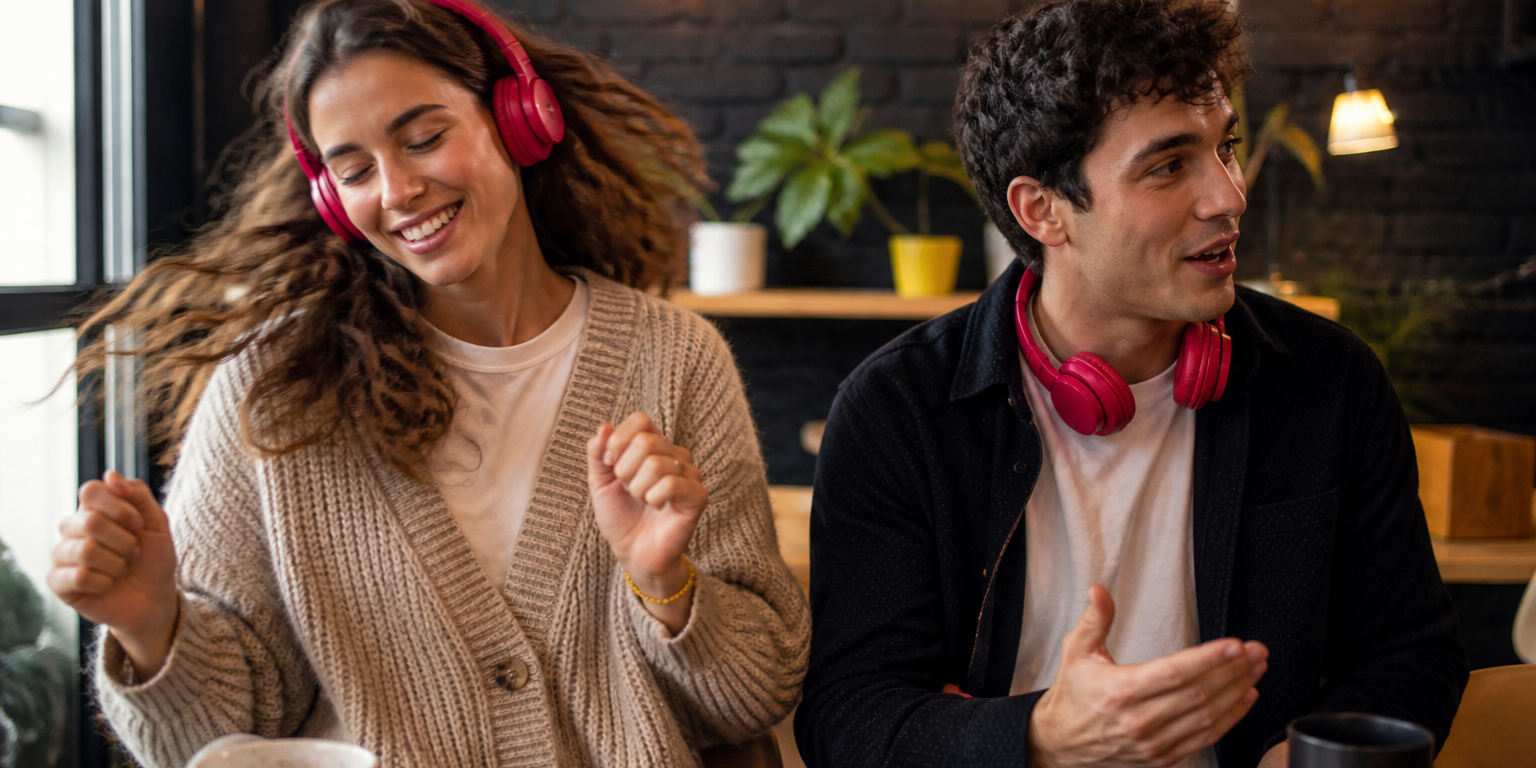
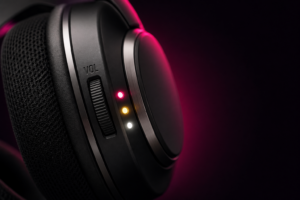
Every headset has its own volume dial, so guests can set a level they’re comfortable with independently of everyone around them. One person can listen loudly while the person next to them has the music much quieter. That kind of flexibility simply isn’t possible with a shared speaker system.
Choice of music channel
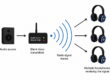
Most silent disco setups broadcast across two or three channels simultaneously, each playing different music. This means organisers can offer a high-energy channel alongside something calmer, giving guests a meaningful choice about the type of listening experience they want throughout the evening.
An immediate, private way to take a break
If the music becomes too much, guests can simply remove their headphones. They don’t need to leave the room, explain themselves or find a separate quiet space — the quiet is instant. This is one of the most consistently valued aspects of the format for people with sensory sensitivities.
Easier conversation
Because there are no speakers filling the room, the ambient noise level at a silent disco is far lower than at a traditional event. People who aren’t wearing headphones can talk at a normal volume, which makes socialising considerably more accessible for those who find noisy environments difficult.
Limitations: why a silent disco isn’t automatically sensory-friendly
Headphones solve the volume problem, but they don’t address every potential source of sensory discomfort. These are the areas that still need careful consideration when planning an inclusive event.
Lighting
Silent disco lighting is often as intense as at a traditional party. Strobes, rapidly moving beams and quick colour changes are common in standard event setups, and none of that changes simply because guests are wearing headphones. For people who find flashing or fast-moving lights distressing, this can be a significant issue. The fix is straightforward — avoid those effects, or at minimum communicate clearly in advance that they’ll be present — but it requires a deliberate decision from the organiser.
Crowds and physical proximity
A busy venue is a busy venue regardless of format. Queueing, being jostled, navigating crowded spaces and the general noise of a large group of people talking can all remain challenging. Organisers can help by considering venue layout, providing clear routes through the space and offering a quieter area away from the main floor.
Headphone fit and tactile sensitivity
Some people find the physical sensation of wearing over-ear headphones uncomfortable, particularly for extended periods. Pressure on the ears, the weight of the headset or the feel of the ear cushions can all become distracting or unpleasant. Offering the option to try headphones before the event begins — or providing alternative styles where possible — can reduce this as a barrier.
Signage and staff awareness
Poor communication and undertrained staff are among the more overlooked issues. If guests don’t know how to adjust their volume, switch channels or find a quiet space, they lose much of the benefit the format offers. Clear signage and a well-briefed team make a practical difference.
Practical checklist: making a silent disco more inclusive
Making a silent disco sensory-friendly comes down to deliberate planning rather than expensive changes. Most of the steps below are low effort and high impact. This checklist is ordered by timing to make it straightforward to work through.
Before the event
- Share detailed pre-event information. Send photos of the venue, a layout diagram and a description of the lighting and sound setup. Include information on how many channels will be available and what genre or energy level each will carry. Let attendees know there is a quiet breakout area and provide a point of contact for accessibility questions.
- Plan your lighting carefully. For sensory-friendly events, avoid strobes and rapidly moving lights. Static uplighters add colour without intense flashing. If any flashing effects will be used, state this clearly in advance. The default should be static or slow-fade lighting.
- Offer a trial session. For attendees who want to familiarise themselves with the equipment beforehand, arrange a short session to try the headphones and practise adjusting volume and switching channels. This is particularly valuable in care home and supported settings.
- Arrange headphone options and cleaning. Check whether alternative headset styles are available if standard over-ear models are uncomfortable for some guests. Ensure all headsets are cleaned before the event. You can hire headphones with individual volume control to ensure each guest manages their own listening level.
- Brief your staff. Make sure anyone working the event knows how the headsets function, where the quiet breakout area is and what to do if a guest appears distressed. Staff don’t need specialist training — they simply need to know the basics and be approachable.
At the event
- Label channels clearly. Use colour-coded headsets, printed signs and simple descriptions — for example, “Channel 1: high energy / Channel 2: relaxed” — so guests can choose without having to ask. Offer at least one calmer channel throughout the evening.
- Signpost the quiet breakout area visibly. The quiet area should be easy to find without help. Use clear floor-level and eye-level signs, and keep the space comfortable, low-lit and free from music and crowds.
- Manage the layout for circulation. Keep pathways clear, provide seating near the edges of the room and avoid bottlenecks near entrances or the equipment desk. This is particularly useful where guests may move at different paces or use mobility aids.
- Display visual supports. Post a simple venue map, a schedule for the evening and a quick-start guide to the headsets in accessible formats. This reduces the need for guests to ask for help and supports those who find verbal communication in a busy environment difficult.
After the event
- Gather feedback. Ask attendees and carers directly whether the event met their sensory needs and what could be improved. This is the most reliable way to refine your approach for future events.
What we’ve learned from events with autistic and neurodivergent attendees
We regularly provide silent disco equipment for events involving autistic people and people with additional sensory needs, including regular hires for care homes and other supported settings. A few consistent patterns have emerged across those events.
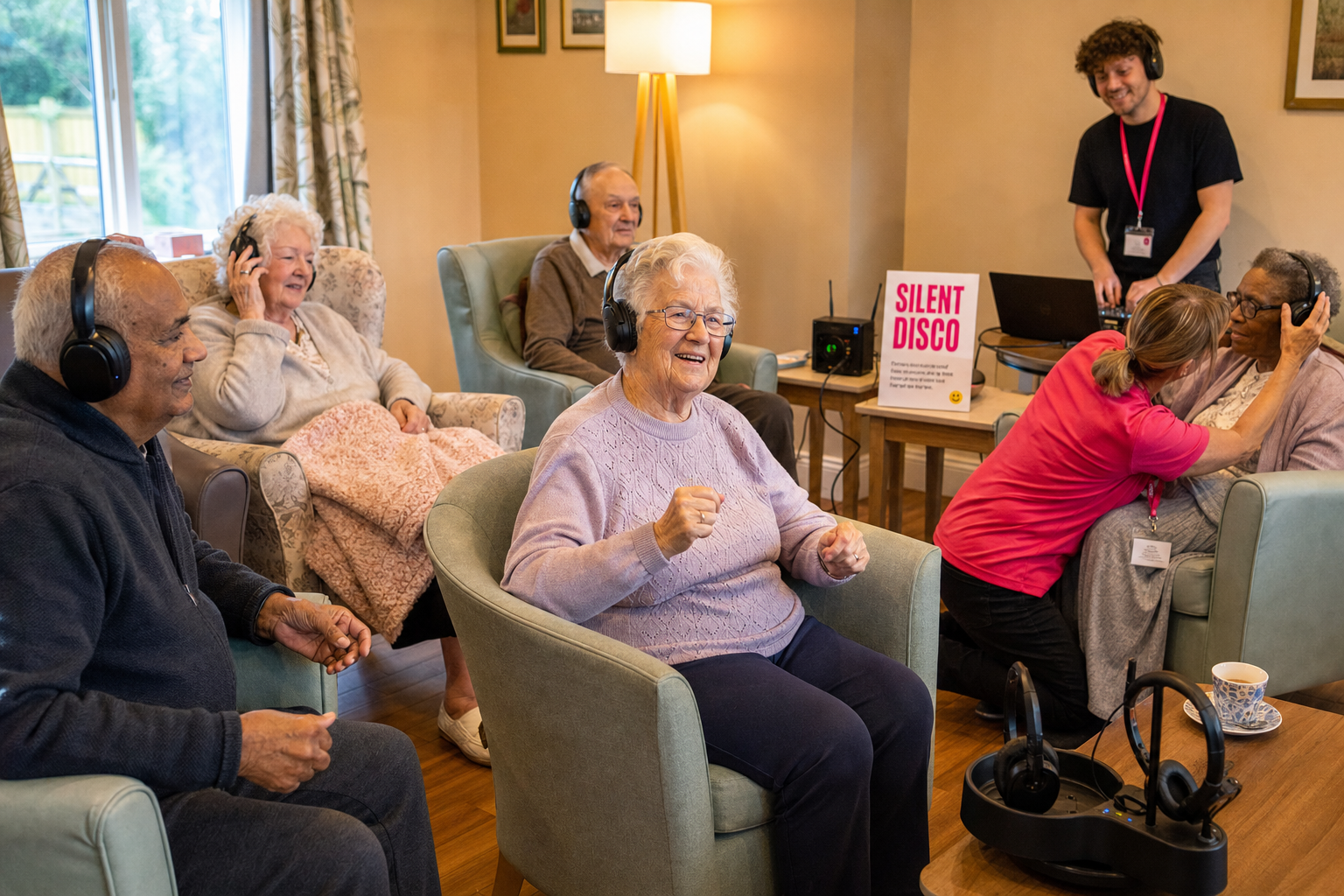
The feature that comes up most often as a practical benefit is individual volume control. Guests and carers alike have noted that being able to set a personal listening level — rather than enduring whatever volume the room dictates — makes participation feel manageable rather than something to push through. The ability to remove headphones for an immediate, quiet moment without drawing attention or leaving the room has also been consistently valued.
Where we’ve adapted the wider setup alongside the headsets — avoiding strobes, using static uplighters for ambient colour, labelling channels clearly and keeping a quieter area available — events have tended to run more smoothly and generate fewer concerns from attendees or support staff.
For more detail on how we approach these bookings, see our care home silent disco hire page. The practical lessons from those events directly inform the checklist above.
Communicating with attendees and staff
Clear communication before and during the event removes a significant amount of uncertainty for neurodivergent attendees. Explaining what guests can expect — and clearly identifying the different channels available — helps people make informed choices rather than arriving unprepared.
Pre-event information
Send a plain-language email or information sheet that includes photos of the venue, a simple layout map, lighting details and a description of each channel. For example: “There will be two music channels. Channel 1 plays dance and pop at a higher energy. Channel 2 plays slower, quieter music. You can switch between them at any time.” Include instructions for booking a quiet space and a phone or email contact for accessibility queries.
On-site signage and staff visibility
Signage should be simple and placed at eye level throughout the venue — near entrances, the headset desk, the quiet area and the exits. Staff wearing identifiable lanyards or T-shirts give guests a visible, approachable point of contact without requiring a search.
Staff awareness for sensory needs
Brief staff on how to offer a headphone demonstration, help a guest adjust volume and recognise signs that someone may need a quieter space. This doesn’t require specialist training — it requires awareness and a calm, unhurried manner.
If you’d like to talk through your event’s specific requirements in advance, contact us for a pre-event consultation.
Frequently asked questions
Is a silent disco quieter than a normal party?
Yes. Without speakers filling the room, the ambient noise level is significantly lower, making conversation and sensory breaks much easier.
Can I remove my headphones if it gets too much?
Absolutely. Removing them provides an immediate, private break without needing to leave the space.
What about flashing lights or strobes?
These can be avoided entirely. We recommend static uplighting and slow fades for sensory-friendly events.
Can care homes or small supported groups hire a silent disco?
Yes — we regularly provide equipment for care homes and supported settings and can advise on calmer channels and appropriate lighting.
Silent discos aren’t automatically sensory-friendly, but with the right choices around lighting, communication and layout, they can be genuinely inclusive. Giving people control over their own experience makes the biggest difference. If you’re planning an event, get in touch — we’re happy to help you get it right.